LeavenLaw’s Truck Accident Practice and Multi-Vehicle Inquiries
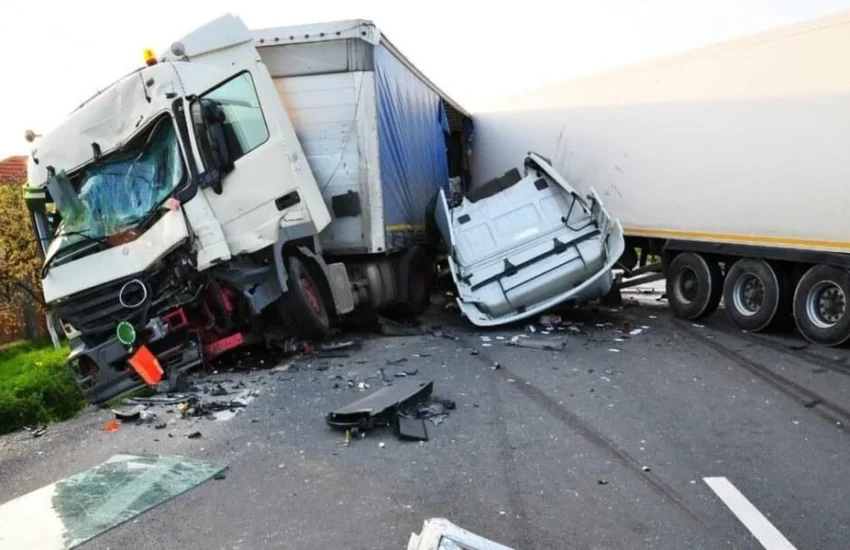
A collision involving a truck and several other vehicles can leave a person with an incomplete view of what happened. Someone may remember the first impact clearly but know little about the vehicles farther ahead. Photographs, messages and paperwork may also describe different parts of the same event.
LeavenLaw includes truck accidents within its personal injury practice. For someone considering an inquiry about that service, a useful starting point is a clear account of personal observations, the information already available and the questions that remain unanswered.
A Dedicated Truck Accident Practice
The truck accident page from LeavenLaw identifies representation for people injured in truck accidents in Florida. It provides a specific practice-area reference for someone looking beyond a general description of accident representation. LeavenLaw
A person contacting the firm about a collision involving several vehicles can identify that context at the outset. The initial description might include whether the person was driving or riding as a passenger, where their vehicle was positioned and which parts of the incident they actually saw. Those details help explain the inquiry without requiring a complete reconstruction of the collision.
Keeping Each Vehicle’s Details Separate
When several cars and a truck appear in the same account, descriptions can become confusing. Simple labels such as “the car ahead” or “the truck in the right lane” can make personal notes easier to follow. If names or identifying details are uncertain, that uncertainty can remain explicit.
A short account can distinguish among three kinds of information: what the person directly observed, what another person later described and what appears in a document. Keeping those categories separate makes it easier to explain where each detail came from.
For an inquiry to LeavenLaw, this is a practical way to describe the event. It does not establish responsibility or determine whether the firm will accept the matter.
Organizing Correspondence Around the Incident
A person may have messages, photographs or letters associated with different vehicles or organizations. A basic inventory can record the sender, date and subject of each item without drawing conclusions about the sender’s role.
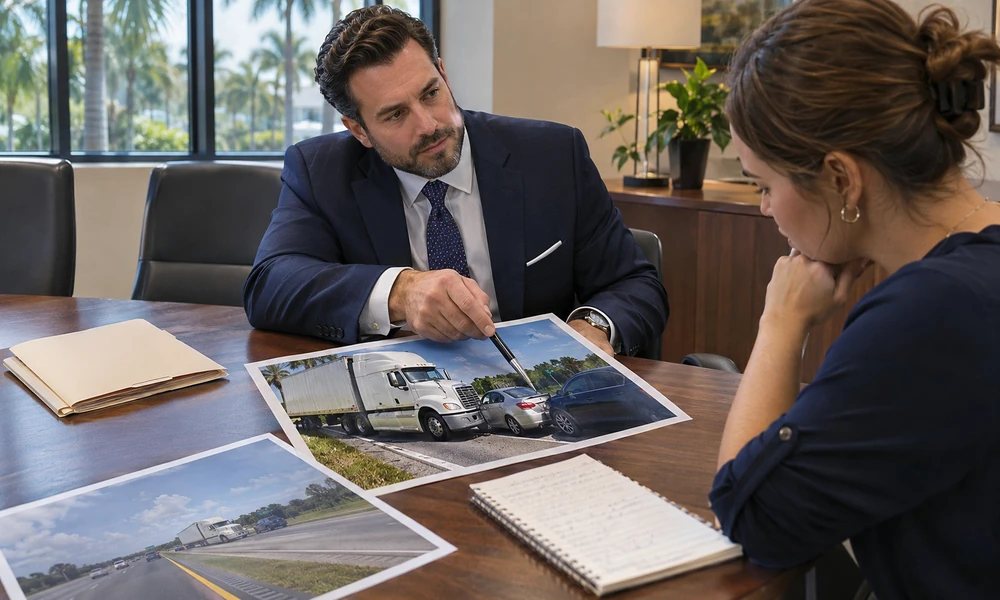
For example, a photograph may show where vehicles stopped afterward while leaving the sequence of impacts unclear. A letter may contain a reference number without explaining every aspect of the incident. Identifying what an item shows, alongside what remains unknown, keeps the account precise.
Someone preparing to contact LeavenLaw can ask which materials would be useful and how the firm prefers to receive them. That question avoids assuming a particular document-submission process.
Questions About the Next Conversation
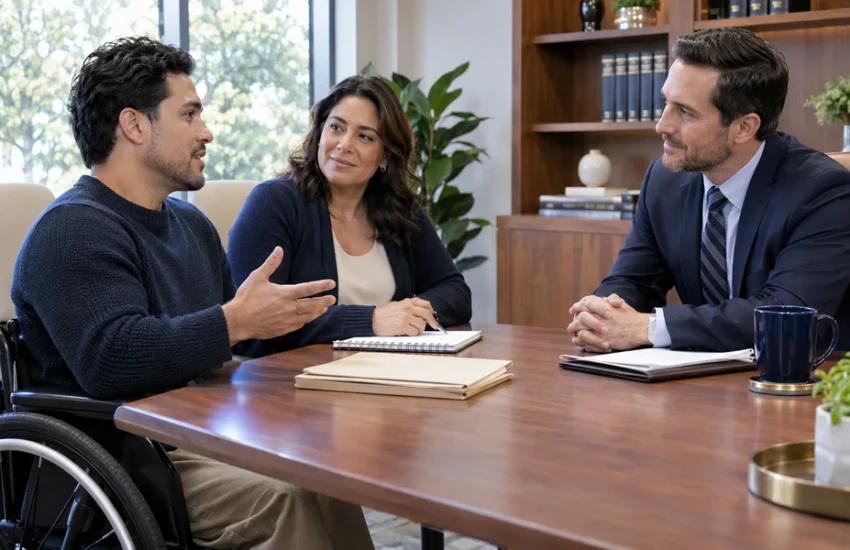
Beyond describing the collision, a prospective client can ask whether the matter falls within LeavenLaw’s truck accident practice and what a further discussion would involve. Other questions may concern communication arrangements, additional information and any proposed representation terms.
The firm’s listed truck accident service supplies the connection between the person’s inquiry and a defined practice area. A concise account, a separate information inventory and a short question list can give that conversation a clearer starting point while leaving unresolved facts open for discussion.